

Technology
Exceed Future Home Standards
Kelda is dedicated to helping organisations exceed future home standards by supporting sustainability goals and ensuring cost-effective regulatory compliance.

Part L of the Building Regulations sets energy performance standards for new and existing homes, guiding compliance for new-build projects.
With the Future Homes Standard coming into effect in 2025, Part L energy requirements are being progressively tightened to ensure new homes are future-proofed with low-carbon heating, micro-generation technologies, and leading energy efficiency.
Reducing energy use, embodied carbon, and water consumption remains a government priority and is considered a crucial step for the construction industry to achieve the significant reductions needed by 2030, paving the way for net zero carbon across the UK building stock by 2050.
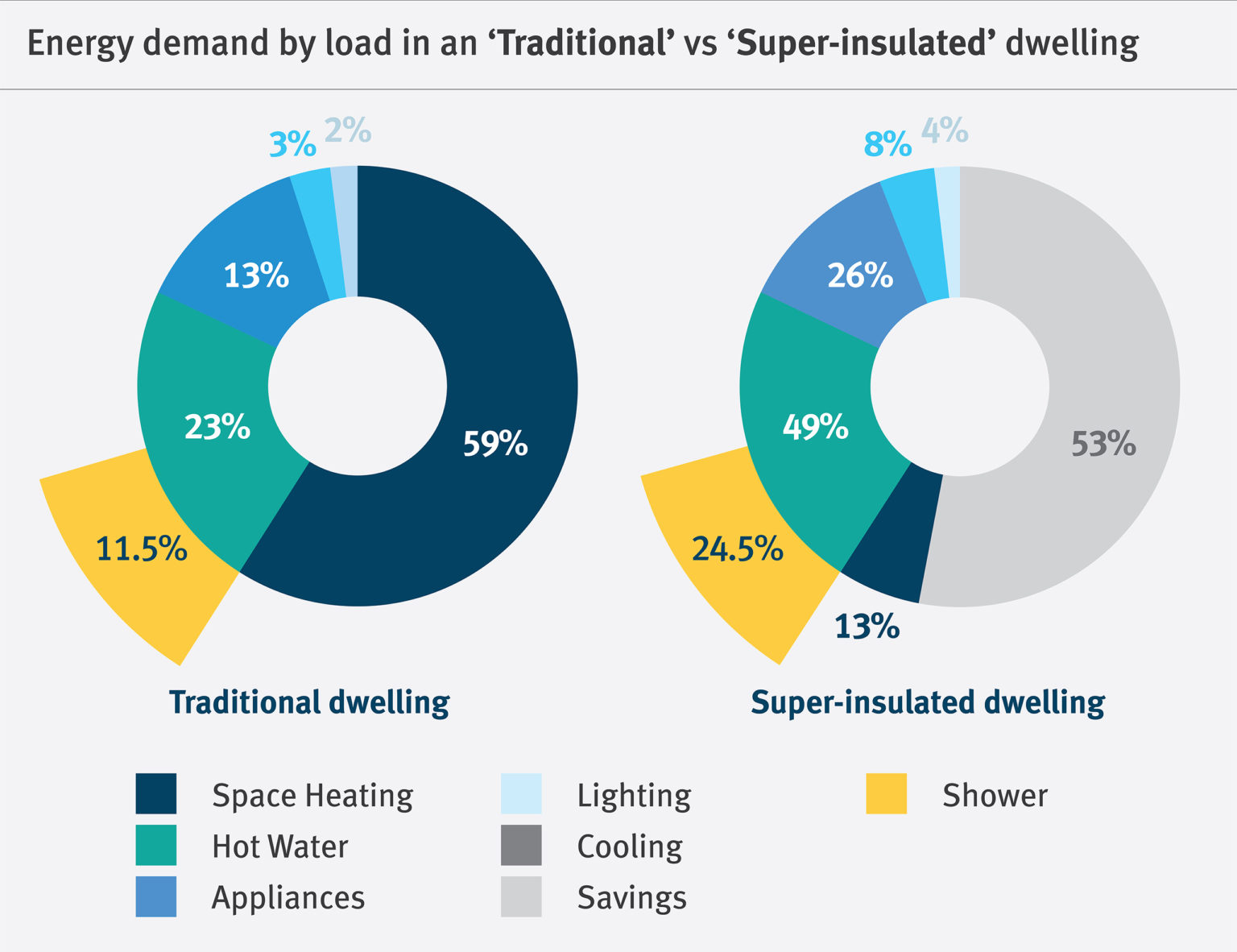
Figure 1.0: As fabric efficiency of homes improves, showers are estimated to account for 24.5% of total dwelling energy use.
Hot water demand in a future home
Improvements in fabric efficiency will help future homes save significant energy, but household demands remain largely unchanged. In a super-insulated dwelling, Domestic Hot Water (DHW) requirements are similar to a traditionally built home, with comparable occupant numbers and water-use behaviour, such as showering. This creates a notable shift in energy demand: as overall building efficiency rises, the proportion of energy used for hot water increases, potentially making DHW the largest portion of a future home’s energy budget.
To meet future EPC targets, it is therefore essential that, alongside Modern Methods of Construction (MMC), ‘Clean Growth’ technologies – including high-efficiency showers – are considered to reduce water and energy consumption.
The future role of showers
In an average home, hot water accounts for 23% of total energy use. According to the Energy Savings Trust, 50% of hot water energy is used for showering, meaning showers alone contribute around 11.5% of overall household energy. In a super-insulated dwelling, hot water demand can rise to as much as 49% of total energy use, highlighting the growing importance of efficient shower solutions.
Water efficiency
In addition to the tightening of energy requirements under Part L of the Building Regulations, housebuilders must also comply with Part G, specifically G2 on water efficiency. To meet Part G2 standards, showers must adhere to a maximum flow rate: 10 litres per minute for the standard notional level of 125 litres per person per day, or 8 litres per minute for the optional higher standard of 110 litres per person per day.
In domestic refurbishments using the Wat 01 water calculator, Kelda’s low-flow, Air-Powered™ showers operate at under 4.5 litres per minute, exceeding Part G compliance and delivering exceptional water efficiency. This makes them ideal for sustainable homes seeking to achieve the highest BREEAM ‘Excellent’ rating, while still providing a premium, immersive shower experience that occupants enjoy.
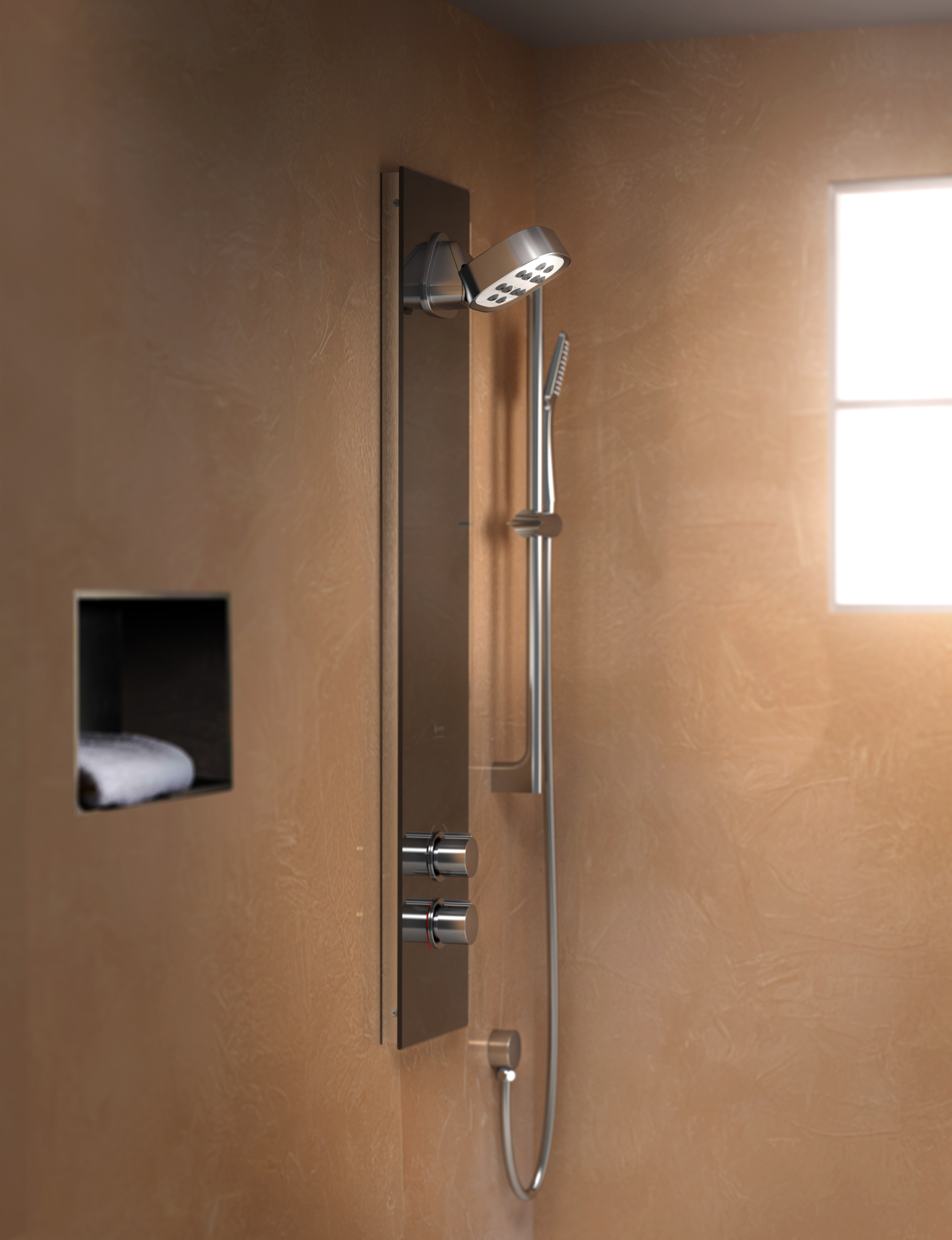
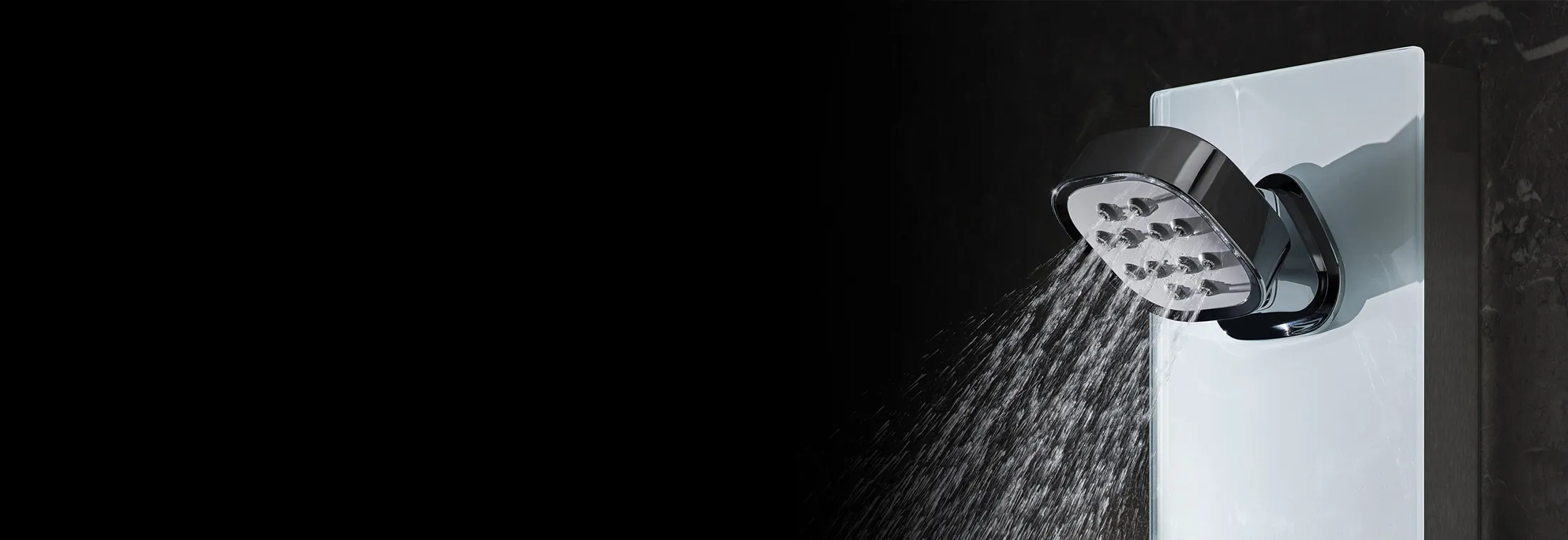
"In a domestic refurbishment assessed using the ‘Wat 01’ water calculator, Kelda’s Air-Powered™ showers operated at under 4.5 litres per minute, exceeding compliance and achieving the highest BREEAM ‘Excellent’ standard - without compromising on shower quality."

Using Less Water: Compliance Made Easy with Added Benefits
Space heating: By using Kelda’s Air-Powered™ showers, less hot water is required, allowing for a smaller hot water cylinder – an important consideration for homes with heat pumps, where 200-litre cylinders are now standard.
BREEAM status: When combined with other bathroom fittings specified to ‘Excellent’ and WC, kitchen, and utility room fittings specified to ‘Good’, Kelda showers help reduce potable water consumption to below 96 litres per person per day, maximising credits and supporting the BREEAM ‘Outstanding’ rating.
New build infrastructure discount: In response to water scarcity, water companies such as Anglian Water incentivise developers up to £740 per plot for constructing homes to a water efficiency standard of 100 litres per person per day. By specifying Kelda showers, developers can easily meet or exceed this target, securing both compliance and financial benefits.
Wondering How to Integrate Kelda into Your Next Project?
Related Links

Deluxe Range: Future Home Proof Showers
Find Out More
Kelda Showers are now officially recognised within RdSAP
Find Out More