
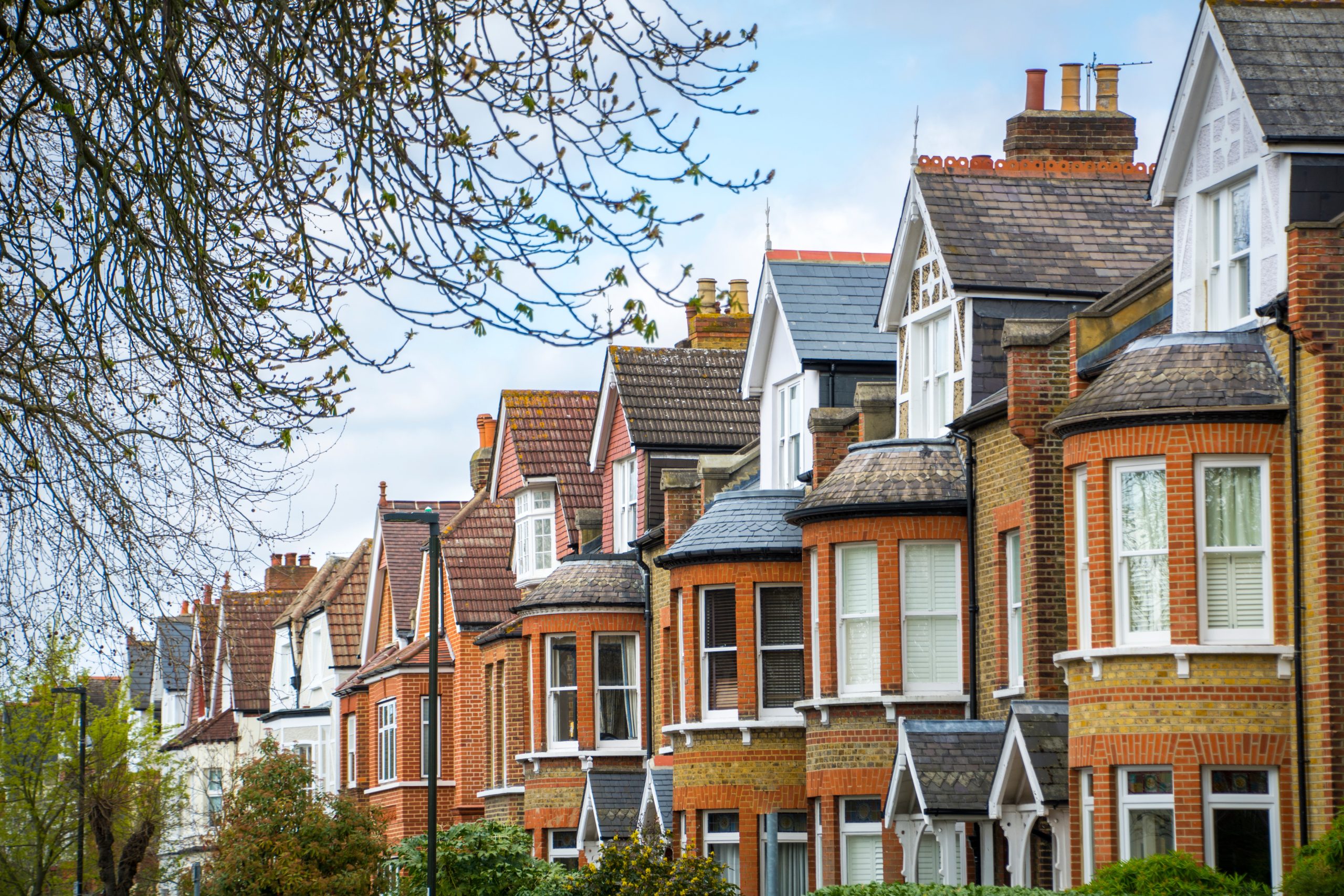
Housing in 2026: Delivering Homes That Perform
– Not Just On Paper

Housing in 2026: Why Everyday Energy Choices Matter More Than Ever
2026 is shaping up to be a pivotal year for the UK housing sector. Significant government funding is becoming available through the new 10-year Social and Affordable Homes Programme, with £27.2bn allocated via Homes England and up to £11.7bn through the Greater London Authority. On paper, this should unlock much-needed affordable homes.
However, turning funding into finished homes will not be straightforward.
As Paula Heatley, development director at Platform Housing Group, has noted, the sector continues to face “regulatory and financial pressures”, leading many providers to take a more cautious approach to development. Rising build costs, skills shortages and tighter safety and repair standards mean organisations are increasingly focused on maintaining and upgrading existing homes, not just building new ones.

"The Government Will Demand Results"
Richard Petty of JLL has warned that as funding begins to flow, the government will “demand results”, increasing pressure on providers to deliver value, efficiency and measurable outcomes.

Quality, Cost and Sustainability Are Now Interlinked
Housing providers are being asked to do more with limited resources. New legislation, such as Awaab’s Law and the Renters’ Rights reforms, places stronger obligations on landlords to provide safe, healthy homes, while sustainability targets continue to tighten.
Domestic hot water remains one of the largest contributors to household energy use, meaning everyday fixtures and fittings are under greater scrutiny. The sector’s direction of travel is clear: homes must be cheaper to run, better for residents and lower in carbon impact.
As Russell Baldwinson of LiveWest has highlighted, even where borrowing costs ease, inflation and legislative changes are likely to continue putting pressure on delivery. This makes long-term efficiency increasingly important.
Where Kelda Showers Fit In
Reducing Energy Use Where It Matters
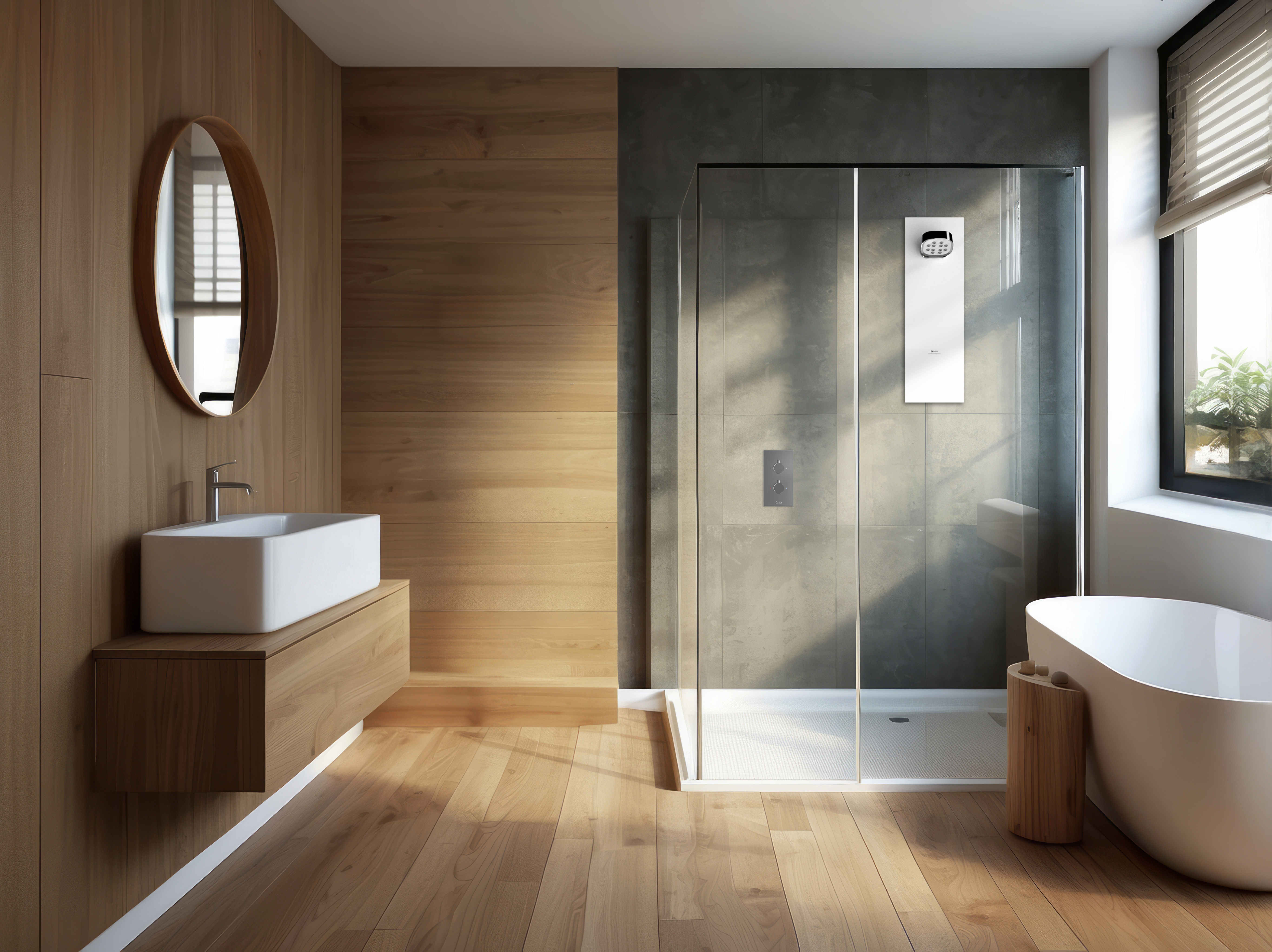
Standard SAP calculations assume showers operate at around 8 litres per minute, yet Kelda air-powered showers can operate at approximately 4.5 litres per minute while still delivering a full, comfortable shower. Using less hot water directly reduces energy demand and household running costs.
Supporting Sustainability and Net Zero Goals
With the government’s £15bn Warm Homes Plan expected and new homes set to be “zero-carbon ready”, reducing water and energy use is no longer optional. Kelda’s air-powered technology supports lower carbon emissions without relying on complex systems or behavioural change.
Helping Providers Deliver Better Homes
As organisations prioritise improving existing stock and delivering homes that perform well over time, practical solutions matter. Kelda offers a simple, proven way to:
– Reduce hot water demand
– Support improved energy performance assessments, aligned with the principles of SAP Appendix Q
– Improve resident comfort without increasing costs
As the Chartered Institute of Housing has highlighted, the organisations that succeed will be those that take a proactive, long-term approach to efficiency and resident wellbeing.

Looking Ahead
2026 will be a year of ambition balanced by realism. Funding, regulation and sustainability goals are reshaping what good housing looks like, not just how many homes are built, but how well they perform.
By helping to reduce energy use at one of the most frequent points of consumption in the home, Kelda Showers play a practical role in supporting affordable, sustainable and future-ready housing.
Want to know more about how Kelda can help with your housing project?
Related Links
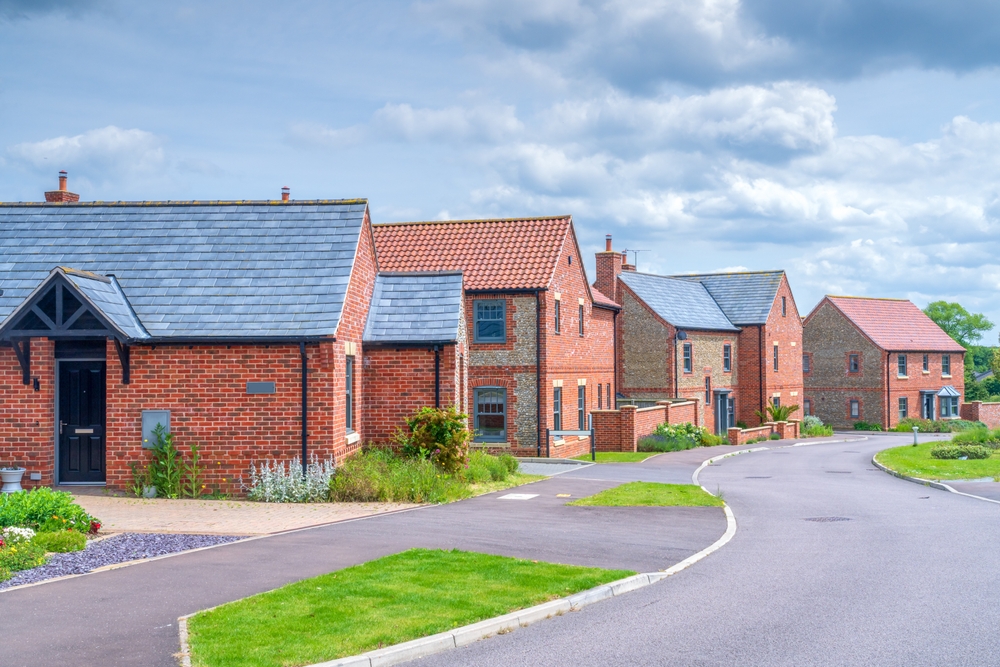
Kelda offers housebuilders a cost-effective solution for meeting water and energy standards
Find Out More
Air-Powered Technology: For Sustainable Showers
Find Out More
Kelda Showers are recognised within Appendix Q of the UK governments SAP and RdSAP
Find Out MoreReferences
Social and Affordable Homes Programme (2026–2036)
Funding allocation of £27.2bn announced for affordable and social housing delivery in England.
Source: Homes England strategic housing funding announcements.